
Toothache, Desperation and a Different Approach: Dental Homeopathy
In June 2025, I had the privilege of presenting a plenary session at the 2nd Malaysian International Integrative Healthcare Conference at Cyberjaya University College of Medical Sciences. My talk was titled:
“Toothache and the Misuse of Conventional Medicine: Homeopathic Medicine May Be Emerging as the Unsung Hero.”
The audience included doctors, pharmacists, integrative practitioners and homeopaths. What I shared there is highly relevant not only to healthcare professionals, but to every family who has ever faced an unbearable toothache at home.
Below is a short video excerpt from the presentation:
A Midnight Story Many of Us Recognise
Imagine this.
It’s midnight. A storm is raging outside. Anita is pacing the bathroom floor with the worst toothache of her life.
It began weeks ago with mild sensitivity to cold water. A couple of Panadol always “fixed it.” But tonight, it’s different. The pain is shooting through her head. She feels desperate.
She takes Panadol. No relief. Waits a bit. She adds Neurofen.
Then she spots leftover antibiotics. “Maybe it’s infected.” She takes one. Fifteen minutes go by.
Still in pain, she finds Endone left over from her husband’s surgery.Within 45 minutes, she has taken four different medications.
This story may sound dramatic, but it reflects what is happening globally in the home.
The Global Reality of Self-Medication for Toothache
In 2025, a large systematic review and meta-analysis found:
- 72% prevalence of self-medication for dental issues in the general population
- Toothache was the most common reason
- Widespread misuse, overuse and irrational use of medications
Self-medication includes using non-prescription drugs without prior medical or dental consultation.
Paracetamol (acetaminophen) is cheap, accessible and generally safe, when used at recommended doses. The problem? Many people unknowingly exceed safe limits, especially because multiple, differently labeled types of products contain paracetamol.
Why Do People Self-Medicate?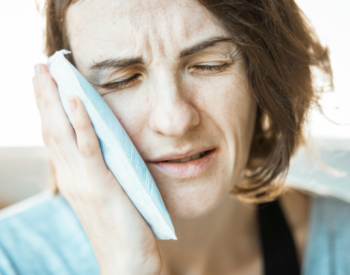
- Seeking temporary relief
- Believing it’s a minor problem
- Dental fear and anxiety
- Cost and time constraints
- Difficulty accessing dental care
- Previous similar experiences
- Lack of awareness about adverse effects.
Even educated individuals may abandon rational dosing when pain becomes overwhelming.
What the Research Shows About Medication Misuse
A Belgian survey of dental emergency patients found:
- Around 50% combined two analgesics
- 62% exceeded maximum daily limits
- Opioids such as tramadol and codeine were commonly used — often from leftover prescriptions.
In the UK, a study of dental pain management found:
- 38% of paracetamol overdoses treated in emergency departments were of inadvertent dental origin
- Self-medication sometimes continued for up to six months before dental care was sought
- Early signs of paracetamol poisoning (nausea and vomiting) are often not recognised
- 63% of patients required intravenous N-acetylcysteine to reverse toxicity.
- Toothache is not just uncomfortable, it is driving preventable medication harm.
Where Does Homeopathy Fit?
In contrast, homeopathic medicines:
- Are non-addictive
- Do not carry the risk of overdose toxicity
- Can be used integratively alongside appropriate dental care
- Have no reported adverse effects when prescribed correctly.
Importantly, homeopathy does not replace necessary dental procedures. Rather, it supports patients safely while they arrange proper treatment and may reduce the impulse to misuse conventional drugs in desperation.
Acute Dental Pain and Homeopathic Remedies
Certain acute dental pain situations produce similar symptom patterns in many people. In these cases, home prescribing from a first-aid kit can be appropriate. There are many remedies for toothache and it is wise to have a first aid kit on hand and even wiser to make a study of homeopathy. Some of the most commonly indicates are the following:
Arnica montana

Arnica montana
Arnica is widely used for:
- Soft-tissue trauma
- Bruising and swelling
- Post-extraction pain
- Post-surgical inflammation
A 2021 meta-analysis of 28 studies (Gaertner, Baumgartner & Walach) concluded that homeopathic Arnica was comparable in effectiveness to anti-inflammatory medication for postoperative recovery.
Arsenicum
- Anxious and restless.
- Burning pain which is better for warm or hot drinks
- Worse in the middle of the night between midnight and 1 am.
- Sensitive to pressure while brushing teeth.
- Pacing up and down in pain.
Hep sulph
- Painful sinusitis accompanied by toothache.
- Toothache in all the teeth.
- Toothache immediately after opening the mouth and from drinking cold things.
- Throbbing pain as if blood were entering the tooth, or a drawing pain.
- Worse after eating, in a warm room, at night and when biting teeth together.
Hypericum perforatum

Hypericum perfolatum
Hypericum is indicated when:
- There is acute nerve pain
- Decay, injury, accidental facial trauma and fractures in teeth that affect the dental nerves
- Electric-shock sensations
- Tingling or numbness
- Severe pain comes in waves and is worse by eating or drinking warm things.
- Symptoms are worse by noise, emotions, touch and better by rest.
- From a deep filling that is close to the pulp.
- Pain following dental procedures involving nerves. After extraction or root-canal treatment.
- Aching, shooting nerve pain and numbness following a mandibular third molar extraction.
The two remedies Arnica and Hypericum are commonly chosen for use in acute dental situations. Because they are so commonly indicated there is not such a need for full individualisation of symptom presentation, and may sometimes both be used in alternation.
Coffea
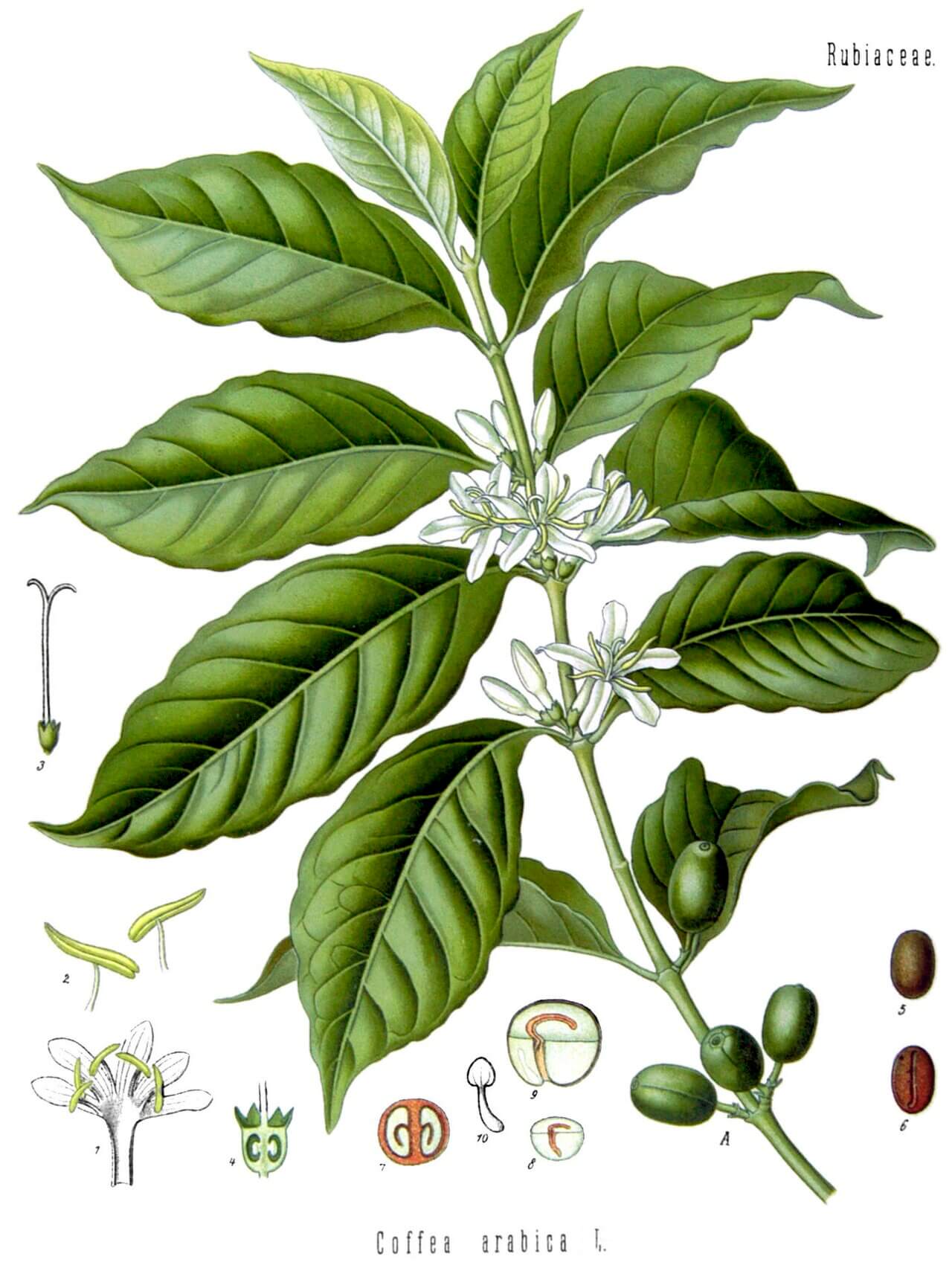
- The pain is ‘insupportable’
- Makes the person frantic, weep, tremble and toss about.
- The person feels excitable, overstimulated and overactive.
- Toothache improves when drinking something icey cold but returns as soon as it warms up in the mouth (Compare with Chamomilla.)
- Neuralgic toothache described as stinging or jerking, comes in waves, “like a bolt of lightening” and is worse from eating or drinking warm things.
Plantago
- Periodic toothache, sometimes with a headache.
- Less pain while eating.
- Pain plays between teeth and ears.
- Unendurable toothache which is so bad the person can’t sit and is forced to pace around. (Compare Ars.)
- Severe stabbing boring pains.
Individualised Prescribing: The Key to Toothache Treatment
Each homeopathic remedy corresponds to a specific cluster of symptoms — including:
- The type of pain
- What makes it better or worse (modalities)
- Emotional state
- Reaction to temperature.
For example:
- Better from cold drinks → certain remedies
- Better from warmth → different remedies
- Worse at night → another group
- Worse from chewing → yet another
The detail matters.
Short Case Examples
A 28-year-old woman experienced sharp, electric-shock pain from hot drinks.
- No pain from cold things
- No visible dental pathology
- Restless and sensitive
- Relief from cold drinks.
Her symptom cluster pointed toward the remedy Coffea cruda.
After three days, she was pain-free and able to drink hot drinks comfortably.
Pregnancy and Toothache
This case history comes from the Mumbai clinic of Dr Sujata Naik: A pregnant woman developed severe toothache from a decayed molar. Her dentist advised a root canal. She was anxious and concerned about the procedure because she was pregnant.
Her symptoms included:
- Anxiety about pain
- Worse at night
- Worse from cold air
- Better from cold water rinsing
- Worse from chewing
She was prescribed Magnesium carbonicum 30c. She experienced rapid relief, reduced sensitivity and carried her pregnancy to term without further dental distress during that period. (Importantly, she was advised that dental treatment might still be required.)
Choosing the strength or potency of the remedy
Choosing the strength of a remedy is reliant on the individual nature of the toothache, the 30c potency is a good general potency to use. If a well selected remedy doesn’t respond, it is possible a higher potency is needed.
For toothache it has often been identified that potencies like 10M work faster than 30c or 200c. When anxiety accompanies a dental complaint, the higher potencies can sometimes have a quick action. However, it’s also common enough for a practitioner to say “I’ve found the 6c of a certain remedy to work well for pain.”
Chronic complaints often respond well to 6c twice a day repeated for weeks.
Clinical Research in Dental Homeopathy
Several practice-based studies have reported strong outcomes:
UK dental homeopathy practices (2011):
- The conditions most commonly treated with homeopathy: abscess, extractions, anxiety, post-surgery pain
- 92% reported improvement.
Indian homeopathic dental outpatient department (2014):
- Toothache was among the most frequent condition treated
- 84.6% positive outcomes.
A 2018 literature review concluded that homeopathy was an effective complement to periodontal therapy, particularly for postoperative pain and inflammation.
Lower potencies (6c, 30c) are often used in research settings. Clinically, some practitioners observe stronger responses to remedies for dental pain when higher potencies are used (e.g., 200c, 10M) when indicated.
Children, Teething and Paracetamol
There is a general growing concern about paracetamol overuse in children and at the same time it is accepted that teething pain is commonly treated with repeated paracetamol dosing in the home. So, it is sobering to learn that, paracetamol is also one of the most common causes of accidental overdose in children in Australia and New Zealand, often due to:
- Doses given too frequently
- Multiple paracetamol-containing products
- Prolonged administration.
On top of this, a 2024 publication (Zhao et al.) explored potential associations between early paracetamol exposure and neurodevelopmental injury. While this remains an evolving and debated area of research, it again raises important questions about routine overuse and misuse during early childhood.
Homeopathy offers a different approach for teething pain.
Seeing a distressed child settle calmly after a dose of chamomilla or another indicated remedy is something many parents never forget. But please remember that Chamomilla is also a powerful remedy for adult toothache where the adult feels cranky and is acting “like a toddler” and says the pain is unbearable. Chamomilla works well in a low dose of 6c given frequently and also in a dose of 200c or 10M when indicated.
Chamomilla

Chamomilla
- Extremely irritable
- Inconsolable
- Better for being carried
- Overly sensitive to pain
When is Chamomilla the right remedy?
One important way of differentiating between teething remedies is to observe how the child likes to be carried (or not) when they are in distress. A baby who needs Chamomilla demands to be held while being carried around and will cry angrily, hit and kick if put down. If they are reacting in this way and the following symptoms are present then Chamomilla is the best choice of remedy:
- They quieten when the parents walk up and down but even after a while of walking and being held the baby may still start to cry with the parents getting worn out.
- The baby demands food, toys and drinks but when offered them will throw them across the room.
- They seem to be abnormally sensitive to pain and don’t like being looked at.
- During sleep they toss, turn and cry out loud and generally cry more at night especially around 9pm to 10pm.
- Their gums are sore so they keep their mouth open and feel better when they put their fingers in their mouth, therefore there is a lot of dribble. While in this state they are prone to having loose greenish stools and their face is flushed on one side.
- Extending to head and ears which is worse from chewing, from warm food and drinks.
- Better from holding cold water in the mouth (Compare with Coffea.)
- There are many remedies to choose from for teething pain if Chamomilla does not fit the picture.
A More Sustainable Model of Dental Care
In Australia, many patients openly state they wish to avoid conventional medications:
- Due to pregnancy
- Past adverse reactions
- Awareness of side effects
- Philosophical preference
- Fear of dental procedures.
When conventional medicines are overused or misused, consequences can include liver failure, opioid dependence and antimicrobial resistance. When homeopathic medicines are misused, the consequences are minimal. This distinction matters.
The Broader Aim
Homeopathy is clearly not about rejecting the offerings and advances of modern dentistry.
It is about:
- Reducing misuse, overuse and inappropriate use of conventional medicine
- Supporting patients safely while accessing dental care
- Providing non-addictive pain management
- Offering integrative solutions
- Promoting a safer, more sustainable approach to health.
Toothache should not be a gateway to overdose, addiction or preventable toxicity.
If we can reduce desperation, we reduce harm.
And perhaps, in this space, homeopathy truly is an unsung hero.
 Author Linlee Jordan
Linlee Jordan is a practitioner, researcher and educator of Homeopathy with a background in Nursing, a Diploma of Nutrition and a Masters Degree in Health Science Education. She obtained a Bachelor of Homeopathy from Nature Care College where she later became Head of the Faculty of Homeopathy and was a lecturer in clinical studies for 10 years. Like most homeopaths she has been living, breathing and studying the art of homeopathy ever since.
She is Director of The Aurum Project for homeopathy research and she practices and is Director of the Harbord Homeopathic Clinic on the Northern Beaches of Sydney, Australia.
Linlee is author of the forthcoming textbook: Homeopathy for dental problems: How to use homeopathic medicine to support dental health.

- Toothache, Desperation and Supportive Care Options: Homeopathy - 16/03/2026
- Homeopathy for Waterlogged Plants and Gardens - 12/12/2025
- Homeopathy for Plants - 11/10/2025