
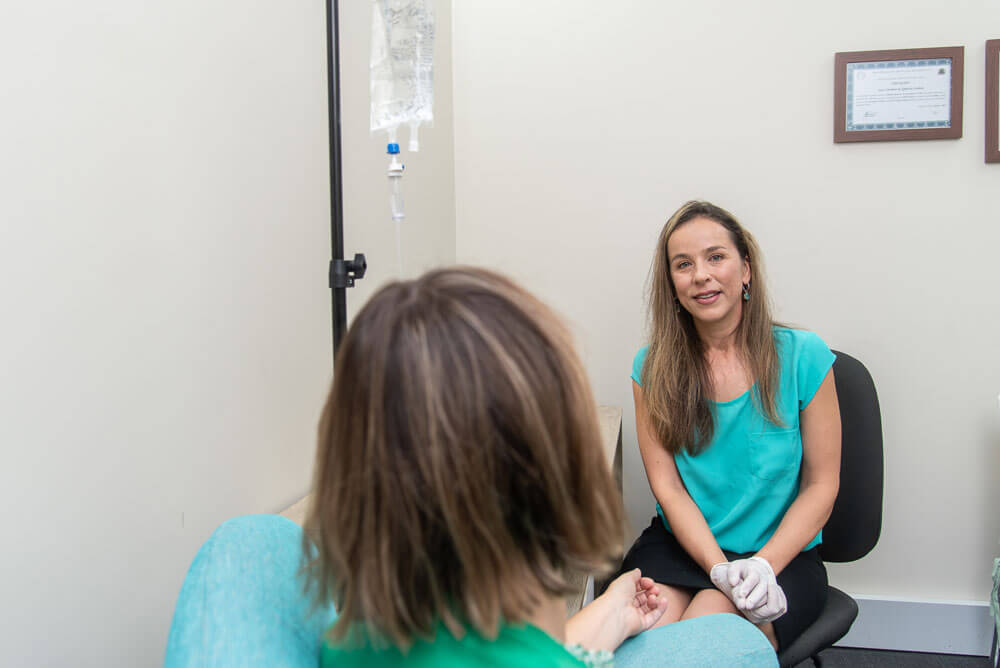
IV vitamin therapy is a popular choice in integrative clinics, focusing on the root cause of a condition. It is used to support hydration, nutrient replenishment, recovery, immune function and overall wellbeing. As a university-trained naturopath and registered nurse, I believe it is important to discuss both the potential benefits and the evidence behind intravenous nutrient therapy in a balanced and evidence-informed way.
Unlike oral supplements, intravenous (IV) nutrient therapy delivers vitamins, minerals, amino acids and antioxidants directly into the bloodstream. This bypasses the digestive system and allows for 100% bioavailability of nutrients. For individuals with impaired digestion, malabsorption, chronic illness, high stress levels, nutrient deficiencies or increased physiological demands, this can provide a more rapid method of nutrient delivery.
One of the most established medical uses of IV therapy is hydration and correction of nutrient deficiencies. In hospitals, IV fluids and nutrients are routinely used for patients who are dehydrated, recovering from illness, unable to absorb nutrients adequately or experiencing severe fatigue. IV vitamin therapy has now expanded into integrative wellness settings where it may be used to support energy production, immune health, recovery from stress, athletic performance and general wellbeing.
Vitamin C and IV therapy
Vitamin C is one of the most commonly used nutrients in IV therapy. It acts as a powerful antioxidant and plays an important role in collagen production, immune system regulation and protection against oxidative stress. Higher plasma concentrations of vitamin C can be achieved intravenously compared with oral supplementation. Some research suggests IV vitamin C may assist recovery during periods of physical stress, immune challenges and fatigue.
Vitamin B IV infusions
B-group vitamins are also frequently included in IV infusions due to their critical role in mitochondrial energy production, nervous system support and methylation pathways. Vitamin B12, folate, B6 and other B vitamins help convert food into usable cellular energy and support neurological health. Many individuals experiencing chronic stress, burnout, poor sleep or exhaustion may have increased nutrient demands. When clinically appropriate, replenishing these nutrients intravenously may help support recovery and improve wellbeing in selected patients.
Magnesium intravenous therapy
Magnesium is another key nutrient commonly used in IV therapy. Magnesium is involved in over 300 biochemical reactions in the body and plays a major role in muscle relaxation, nervous system regulation, sleep quality and stress resilience. Modern lifestyles, stress, poor diet and certain medications can all contribute to magnesium depletion. Clinically, magnesium may be used to support muscular tension, stress, headaches and fatigue under appropriate medical supervision.
What is Glutathione?
Glutathione is also becoming increasingly popular in integrative IV therapy. Known as the body’s “master antioxidant,” glutathione supports detoxification pathways, cellular protection and oxidative stress reduction. Oxidative stress is linked to inflammation, accelerated ageing and chronic disease processes. While research is still evolving, glutathione therapy is often utilised in functional medicine settings to support liver function, recovery and antioxidant status.
Hydration
Hydration itself should not be underestimated. Even mild dehydration can negatively affect cognitive performance, energy levels, mood and physical function. IV fluids can provide rapid rehydration support for people recovering from illness, gastroenteritis, intense physical activity or heat exposure. Many patients report feeling more energised and mentally clearer following hydration therapy, particularly when dehydration has been contributing to fatigue or headaches.
What else should we know about IV Therapy?
It is essential that IV nutrient therapy is administered by appropriately trained healthcare professionals who conduct proper clinical assessments, review medical history and ensure patient suitability. Safety is also extremely important. IV therapy should always be delivered in a sterile clinical environment using high-quality ingredients and individualised treatment protocols. Certain medical conditions, medications and nutrient sensitivities may make IV therapy unsuitable for some individuals. Potential risks can include vein irritation, infection, electrolyte imbalance or adverse reactions if not properly administered.
When used appropriately and professionally, IV nutrient therapy can be a valuable supportive therapy. In clinical practice, many patients seek IV therapy to support energy, immune resilience, stress recovery, hydration and overall wellbeing during demanding periods of life.
As both a naturopath and registered nurse, my approach is always evidence-informed, holistic and patient-centred. The goal is not simply symptom suppression, but supporting the body’s underlying physiology, nutrient status and healing capacity in a safe and responsible way.