
Anxiety, Depression and PTSD
Anxiety can be described as persistent worrying thoughts, fears or phobias that continue regardless of the situation, that seem out of proportion to the reality of what is actually happening. Worrying about social situations, or environments that make a person feel threatened or uncomfortable. Leading to an avoidance of a place, person or thing, as the generated fear is much too great and the ability to function is greatly diminished.
Feeling like we are losing control mentally and emotionally is a very scary place to be, especially when trying to appear capable, efficient and calm.
Counselling for anxiety, depression and PTSD
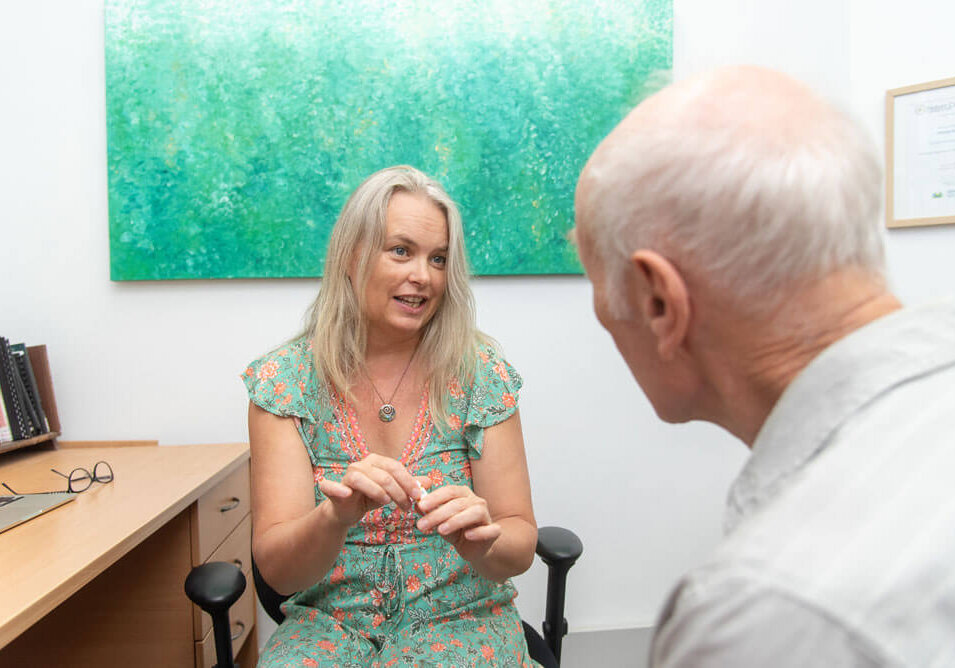
Ana Carolina Ladeia offers individual sessions dedicated to supporting women with anxiety and depression. These sessions are especially helpful for those facing challenges in their relationships with partners or children, as well as for those who want to work on self-esteem, manage anxiety, and focus on personal growth.
This is a space for you to learn to nourish your soul, to find the harmony in your inner being and to discover who you really are.
Homeopathy for anxiety, depression and PTSD
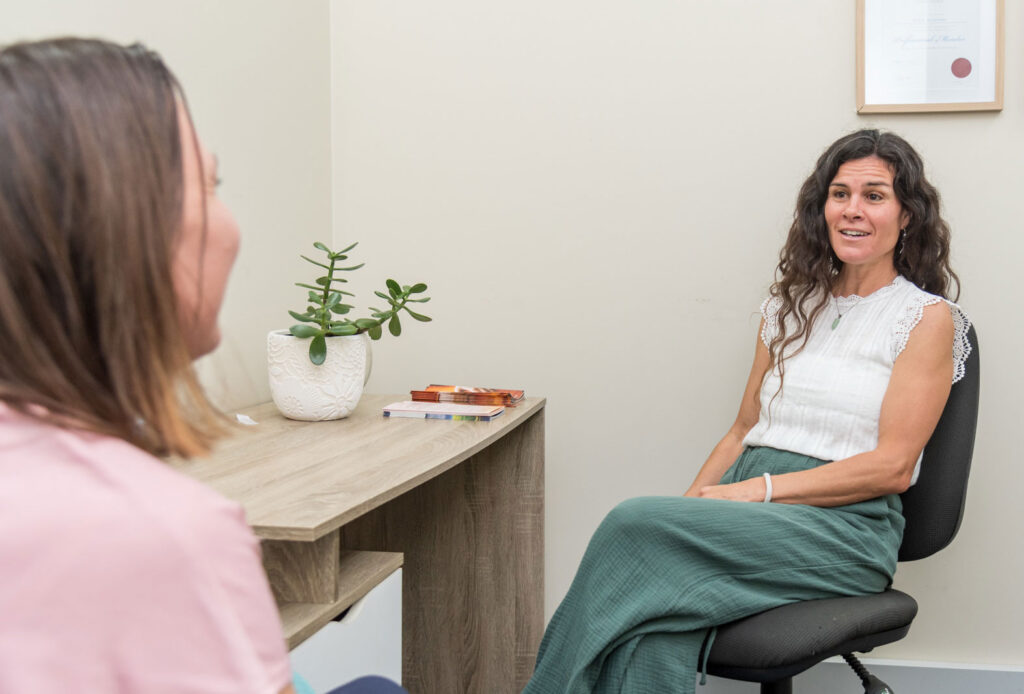
Anxiety and depression are some of the most commonly treated conditions by homeopaths in Sydney. In a six year study, of 6,544 patients using homeopathy in a university hospital outpatient clinic, 205 were treated for depression and as many as 71% improved. This research confirms the positive experience homeopaths have in treating these patients.
Homeopathic remedies can help bring the body back into balance physically, mentally and emotionally. Reducing the feelings of fear, terror, panic, worry, and bringing a person back to feeling like themselves again.
IV therapy for anxiety, depression and PTSD
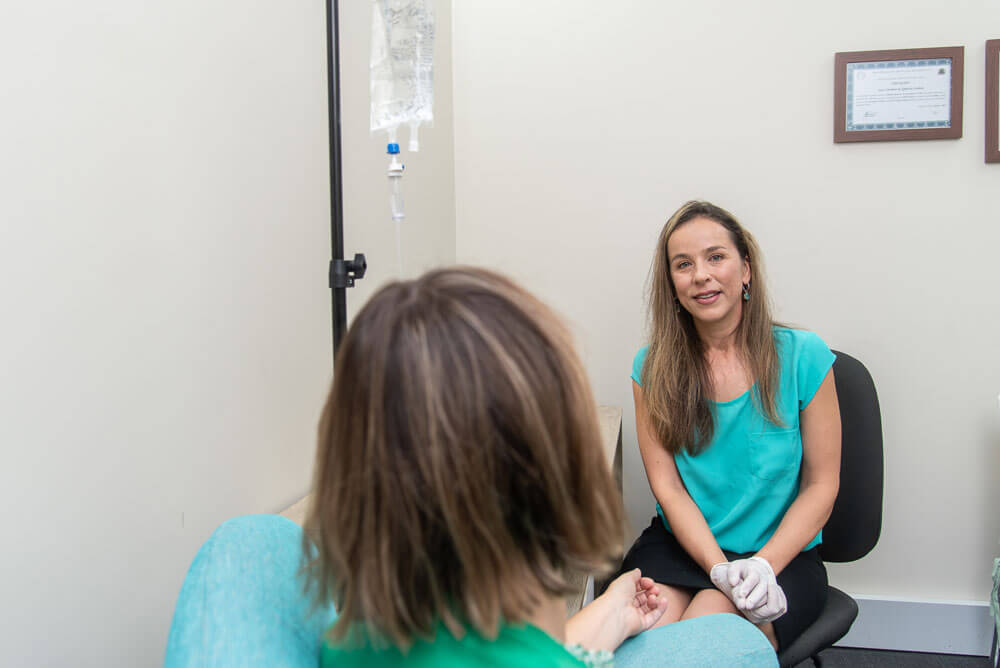
IV therapy is gaining attention for its potential benefits in managing depression and anxiety. By delivering vitamins and nutrients directly into the bloodstream, this method ensures higher bioavailability than oral supplements, which can be metabolised differently. Vitamins such as B-complex, vitamin C, and magnesium play crucial roles in brain health and neurotransmitter function. For instance, deficiencies in these nutrients can exacerbate mood disorders, and replenishing them through IV therapy may help improve energy levels, stabilise mood, and enhance overall mental well-being.
Furthermore, IV vitamin therapy can serve as an adjunct to traditional mental health treatments. Patients often report feeling an immediate sense of relief and improved clarity after sessions, which can be particularly beneficial during acute episodes of anxiety or depressive symptoms. While research is still evolving, some studies suggest that the combination of essential nutrients delivered through IV therapy can reduce inflammation, a factor linked to mood disorders, and support the body’s stress response. This holistic approach, alongside conventional therapy and medication, may provide a more comprehensive strategy for individuals seeking relief from their mental health challenges.
Bioresonance for anxiety, depression and PTSD
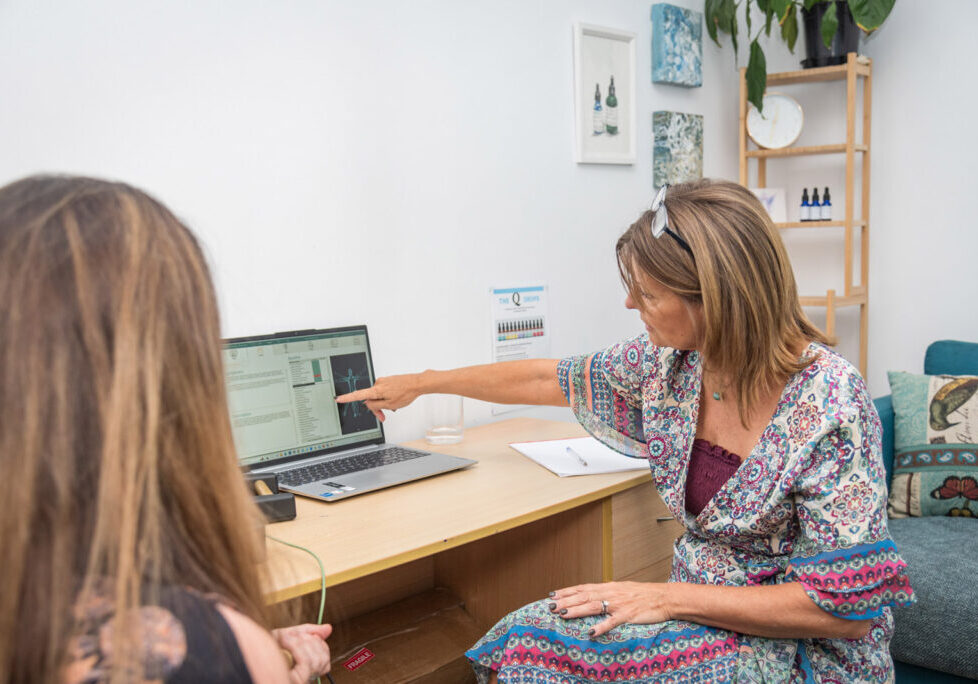
In body-mind healthcare, we are seeking to investigate your body’s response to physical items or concepts.
If an item shows up as unbalanced, then that signals that among the potentially hundreds or thousands of items tested, the body gave an above or below average electrical resistance response.
The results are used to make an informed decision on aspects of a wellness programme. Most commonly this includes nutrition, herbs, homeopathy.
Naturopathy for anxiety, depression and PTSD
A naturopathic approach to anxiety and mental health focuses on treating the root causes of emotional imbalances through natural remedies. Protein intake can influence mental health because L-Tryptophan is the sole precursor to serotonin and is produced through the digestion of proteins because it is an amino acid. Serotonin is produced through the microbiome itself so reducing inflammation and identifying pathogens affecting the microbiome is key to healthy serotonin production. Naturopaths often combine diet and lifestyle changes, herbal medicine, nutritional supplementation, and stress management techniques to support mental well-being.